

Soil erosion is a global environmental issue that poses significant threats to agricultural productivity, water quality, and ecological balance. As a wire mesh supplier, I am often asked whether wire mesh can be used for soil erosion control. In this blog post, I will explore the effectiveness of wire mesh in preventing soil erosion, discuss different types of wire mesh suitable for this purpose, and highlight their advantages.
Understanding Soil Erosion
Soil erosion is the process by which soil is displaced or washed away by natural forces such as water, wind, and ice. It can be caused by various factors, including deforestation, overgrazing, improper agricultural practices, and construction activities. When soil erosion occurs, it can lead to the loss of fertile topsoil, reduced water-holding capacity, and increased sedimentation in rivers and streams, which can have detrimental effects on aquatic ecosystems.
How Wire Mesh Helps Control Soil Erosion
Wire mesh can play a crucial role in soil erosion control through several mechanisms:
1. Reinforcement of Soil Structure
Wire mesh provides a physical framework that helps to hold the soil in place. When installed on slopes or areas prone to erosion, it acts as a stabilizing agent, preventing soil particles from being washed or blown away. The mesh distributes the forces acting on the soil more evenly, reducing the risk of soil movement and collapse.
2. Protection of Vegetation
Wire mesh can also be used to protect newly planted vegetation from being damaged by wind, water, or animals. By creating a barrier around the plants, it allows the roots to establish and grow, which in turn helps to bind the soil together. This is particularly important in the early stages of vegetation growth when the roots are not yet fully developed.
3. Filtering and Sediment Trapping
In addition to its stabilizing and protective functions, wire mesh can act as a filter, trapping sediment and preventing it from entering water bodies. This helps to improve water quality and reduce the impact of soil erosion on aquatic ecosystems.
Types of Wire Mesh for Soil Erosion Control
There are several types of wire mesh that can be used for soil erosion control, each with its own unique characteristics and advantages. Here are some of the most commonly used types:
Woven Hexagonal Wire Mesh
Woven Hexagonal Wire Mesh is a popular choice for soil erosion control due to its flexibility and durability. It is made by weaving thin wires into a hexagonal pattern, which provides excellent strength and stability. The hexagonal shape allows the mesh to conform to the contours of the land, making it suitable for use on slopes and irregular surfaces. Woven hexagonal wire mesh is often used in combination with vegetation to create a more effective erosion control system.

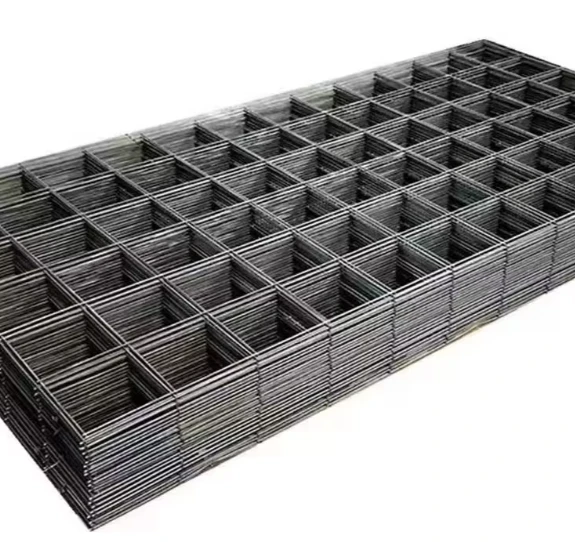
Galvanized Steel Wire Welded Wire Mesh
Galvanized Steel Wire Welded Wire Mesh is another commonly used type of wire mesh for soil erosion control. It is made by welding steel wires together at the intersections, creating a strong and rigid structure. The galvanized coating provides protection against corrosion, making it suitable for use in harsh environments. Welded wire mesh is often used in applications where a high level of strength and stability is required, such as retaining walls and slope stabilization.
Metal Platform Steel Grating
Metal Platform Steel Grating can also be used for soil erosion control, particularly in areas where heavy loads or traffic are expected. It is made by welding or locking steel bars together to form a grid-like structure, which provides excellent strength and durability. Metal platform steel grating is often used in industrial applications, such as walkways, platforms, and drainage systems, but it can also be used in soil erosion control projects to provide a stable surface for vehicles and equipment.
Advantages of Using Wire Mesh for Soil Erosion Control
There are several advantages to using wire mesh for soil erosion control:
1. Cost-Effective
Wire mesh is a relatively inexpensive material compared to other erosion control methods, such as concrete or stone. It is also easy to install, which can help to reduce labor costs.
2. Durable
Wire mesh is made from high-quality materials, such as steel or aluminum, which are resistant to corrosion and weathering. This means that it can provide long-term protection against soil erosion, even in harsh environments.
3. Versatile
Wire mesh can be used in a variety of applications, including slope stabilization, retaining walls, sediment control, and vegetation protection. It can also be customized to fit the specific requirements of each project.
4. Environmentally Friendly
Wire mesh is a sustainable and environmentally friendly material. It is made from recyclable materials, and it does not release any harmful chemicals or pollutants into the environment.
Case Studies
To illustrate the effectiveness of wire mesh in soil erosion control, here are some real-world case studies:
Case Study 1: Slope Stabilization Project
In a slope stabilization project in a mountainous area, woven hexagonal wire mesh was used to reinforce the soil and prevent erosion. The mesh was installed on the slope and filled with soil and vegetation. Over time, the vegetation grew through the mesh, creating a natural barrier that helped to hold the soil in place. The project was a success, and the slope has remained stable for several years.
Case Study 2: Retaining Wall Project
In a retaining wall project in a residential area, galvanized steel wire welded wire mesh was used to provide support and stability. The mesh was installed behind the retaining wall and filled with soil and rocks. The mesh helped to distribute the forces acting on the wall more evenly, reducing the risk of collapse. The project was completed on time and within budget, and the retaining wall has performed well since its construction.
Conclusion
In conclusion, wire mesh can be an effective and cost-efficient solution for soil erosion control. It provides a physical framework that helps to hold the soil in place, protects vegetation, and filters sediment. There are several types of wire mesh available, each with its own unique characteristics and advantages. Whether you are looking to stabilize a slope, build a retaining wall, or protect vegetation, wire mesh can be customized to meet your specific needs.
If you are interested in using wire mesh for your soil erosion control project, I encourage you to contact me for more information. We offer a wide range of wire mesh products and services, and our team of experts can help you choose the right solution for your project. Let's work together to protect our environment and prevent soil erosion.
References
- Allen, B., & Duffy, B. (2019). Soil Erosion and Sediment Control Handbook. CRC Press.
- Gray, D. H., & Sotir, R. B. (1996). Biotechnical and Soil Bioengineering Slope Stabilization: A Practical Guide for Erosion Control. John Wiley & Sons.
- Schiechtl, H., & Stern, K. (1997). Biotechnical and Soil Bioengineering for Shallow Slope Stabilization and Erosion Control: A Practical Guide. E & FN Spon.