

In the realm of construction, agriculture, and various industrial applications, welded wire mesh rolls have emerged as a versatile and indispensable solution. As a supplier of welded wire mesh rolls, I've witnessed firsthand the diverse uses and the remarkable strength these products offer. In this blog, we'll delve into the factors that contribute to the strength of welded wire mesh rolls and explore why they are a reliable choice for numerous projects.
Understanding Welded Wire Mesh Rolls
Welded wire mesh rolls are created by welding intersecting wires at their contact points to form a grid - like structure. The wires used can vary in material, thickness, and spacing, which in turn affects the overall strength and functionality of the mesh. Common materials include galvanized steel, stainless steel, and other alloys, each with its own set of properties that contribute to the mesh's strength.
Material - The Foundation of Strength
Galvanized Steel
Galvanized steel is one of the most popular materials for welded wire mesh rolls. It is coated with a layer of zinc, which provides excellent corrosion resistance. The Galvanized Mesh Cloth(Hot - dip Galvanizing /Electro - galvanizing) we offer undergoes either hot - dip galvanizing or electro - galvanizing processes. Hot - dip galvanizing involves immersing the mesh in molten zinc, creating a thick and durable coating. This coating not only protects the underlying steel from rust and corrosion but also adds to the overall strength of the mesh. Electro - galvanizing, on the other hand, deposits a thinner layer of zinc through an electrochemical process, which still provides a good level of protection and strength.
Stainless Steel
Stainless steel is another high - strength option for welded wire mesh rolls. Our Stainless Steel Mesh Cloth is made from alloys that contain chromium, nickel, and other elements. These elements form a passive oxide layer on the surface of the mesh, which is highly resistant to corrosion, even in harsh environments. Stainless steel mesh is known for its excellent tensile strength, making it suitable for applications where high load - bearing capacity is required, such as in industrial fencing and filtration systems.
Wire Thickness and Spacing
The thickness of the wires used in welded wire mesh rolls plays a crucial role in determining their strength. Thicker wires generally offer greater strength and load - bearing capacity. For example, in heavy - duty applications like construction reinforcement or animal enclosures, we often recommend using mesh with thicker wires.
The spacing between the wires also affects the strength of the mesh. Closer wire spacing provides more support and can better withstand lateral forces. However, wider spacing may be suitable for applications where visibility or airflow is important, such as in some types of fencing or screening. It's important to strike the right balance between wire thickness and spacing based on the specific requirements of the project.

Welding Quality
The quality of the welds is a critical factor in the strength of welded wire mesh rolls. High - quality welds ensure that the wires are firmly joined at their intersections, preventing the mesh from coming apart under stress. Our manufacturing process uses advanced welding techniques to ensure consistent and strong welds. Each weld is carefully inspected to meet strict quality standards, guaranteeing that the mesh can withstand the forces it will encounter in its intended application.
Testing the Strength of Welded Wire Mesh Rolls
To accurately assess the strength of welded wire mesh rolls, various tests are conducted. Tensile strength tests measure the maximum amount of tensile force the mesh can withstand before breaking. This is important for applications where the mesh will be subjected to pulling or stretching forces, such as in fencing or conveyor belts.
Compression tests are also performed to evaluate the mesh's ability to withstand compressive forces. This is relevant for applications like retaining walls or animal pens, where the mesh may be pressed against other structures.
Applications and the Required Strength
Construction
In construction, welded wire mesh rolls are used for reinforcement in concrete structures. The mesh helps to distribute loads evenly and prevent cracking. For example, in slab on grade construction, the mesh provides additional strength to the concrete, reducing the risk of structural failure. The strength requirements in construction are typically high, and our mesh products are designed to meet these demanding standards.
Agriculture
In agriculture, welded wire mesh rolls are used for animal enclosures, fencing, and crop protection. The strength of the mesh is crucial to keep animals secure and protect crops from pests. For large livestock enclosures, a stronger mesh with thicker wires and closer spacing is required to withstand the force exerted by the animals.
Industrial
In industrial settings, welded wire mesh rolls are used in a variety of applications, such as filtration, screening, and machine guards. The strength of the mesh is essential to ensure its durability and functionality. For example, in a filtration system, the mesh needs to be strong enough to withstand the pressure of the fluid or gas passing through it without tearing or deforming.
Comparing with Other Fencing and Screening Options
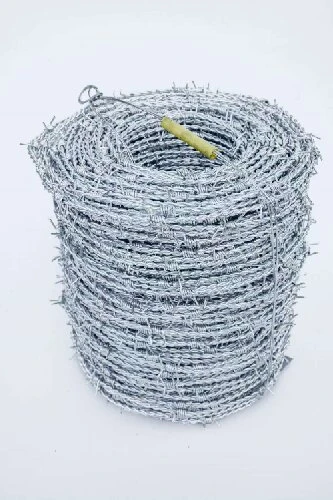
When compared to other fencing and screening options, such as Barbed Wire(Galvanized Or PVC Coating), welded wire mesh rolls offer several advantages in terms of strength. Barbed wire is mainly used for security purposes and provides a deterrent, but it may not be as effective in containing animals or providing a solid barrier. Welded wire mesh, on the other hand, offers a more uniform and continuous structure, which can better withstand various forces.
Maintaining the Strength of Welded Wire Mesh Rolls
To ensure the long - term strength of welded wire mesh rolls, proper maintenance is essential. For galvanized mesh, regular inspections for signs of corrosion are recommended. If any damage to the zinc coating is detected, it can be repaired to prevent further rusting.
For stainless steel mesh, cleaning the mesh periodically can help maintain its corrosion - resistant properties. Avoid using abrasive materials that could scratch the surface and compromise the passive oxide layer.
Conclusion
In conclusion, welded wire mesh rolls are incredibly strong and versatile products. Their strength is determined by factors such as the material, wire thickness, spacing, and welding quality. Whether it's for construction, agriculture, or industrial applications, these mesh rolls offer reliable performance and durability.
If you're in need of high - quality welded wire mesh rolls for your project, we're here to help. Our team of experts can assist you in selecting the right mesh based on your specific requirements. Contact us today to start a discussion about your project and explore how our welded wire mesh rolls can meet your needs.
References
- ASTM International. (20XX). Standard test methods for wire products.
- ASCE. (20XX). Structural design standards for construction materials.
- Agricultural Handbook No. XXXX. (20XX). Agricultural fencing and enclosures.