

In the dynamic landscape of the printing industry, wire mesh plays a multifaceted and indispensable role. As a seasoned wire mesh supplier, I've witnessed firsthand how this versatile material has revolutionized various printing processes. In this blog post, I'll delve into the diverse applications of wire mesh in the printing industry, highlighting its significance and benefits.
Screen Printing
One of the most prominent uses of wire mesh in the printing industry is in screen printing. Screen printing is a popular method for applying ink onto a variety of substrates, including textiles, paper, plastics, and metals. At the heart of the screen printing process lies the screen, which is typically made of wire mesh.
The wire mesh used in screen printing serves as a stencil, allowing ink to pass through the open areas of the mesh while blocking it from passing through the areas covered by the stencil. This precise control of ink deposition enables the creation of detailed and vibrant prints. The mesh size, or the number of openings per linear inch, determines the level of detail that can be achieved in the print. Finer mesh sizes are used for high-resolution prints, while coarser mesh sizes are suitable for prints with larger areas of solid color.
In addition to its role as a stencil, wire mesh also provides structural support to the screen. It helps to maintain the shape and tension of the screen, ensuring consistent ink transfer and print quality. The choice of wire mesh material is also crucial in screen printing. Stainless steel wire mesh is a popular choice due to its high strength, corrosion resistance, and durability. It can withstand the rigors of repeated use and cleaning, making it ideal for long production runs.
Offset Printing
While screen printing is well-suited for printing on a variety of substrates, offset printing is the preferred method for high-volume printing of newspapers, magazines, brochures, and other printed materials. In offset printing, the image to be printed is transferred from a printing plate to a rubber blanket and then onto the substrate.
Wire mesh is used in offset printing in several ways. One of the key applications is in the dampening system, which is responsible for keeping the printing plate moist to prevent ink from adhering to non-image areas. The dampening system typically consists of a series of rollers and a water fountain, and wire mesh is used as a filter to remove impurities from the dampening solution. This helps to ensure consistent ink transfer and print quality by preventing the buildup of debris on the printing plate.
Another application of wire mesh in offset printing is in the ink transfer system. The ink is transferred from the ink fountain to the printing plate through a series of rollers, and wire mesh is used to control the flow and distribution of the ink. The mesh helps to evenly distribute the ink across the rollers, ensuring consistent ink coverage and color density in the printed image.
3D Printing
The advent of 3D printing has opened up new possibilities for the manufacturing industry, and wire mesh is finding its way into this exciting field as well. In 3D printing, wire mesh can be used as a reinforcement material to enhance the strength and durability of printed objects.
By embedding wire mesh into the printed object during the 3D printing process, it is possible to create structures that are stronger and more resistant to deformation. This is particularly useful in applications where the printed object needs to withstand high loads or stresses, such as in aerospace, automotive, and industrial applications.
Wire mesh can also be used in 3D printing to create objects with unique textures and patterns. The mesh can be used as a template to guide the deposition of the printing material, resulting in a surface that has a grid-like or woven appearance. This can add an aesthetically pleasing element to the printed object and make it stand out from traditional 3D printed parts.
Security Printing
In the realm of security printing, wire mesh is used to add an extra layer of security to printed documents, such as banknotes, passports, and identification cards. The wire mesh is embedded into the paper or substrate during the manufacturing process, creating a visible or invisible pattern that is difficult to replicate.
This pattern can be used as a security feature to authenticate the document and prevent counterfeiting. For example, some banknotes use a special type of wire mesh that contains microprinting or other hidden features that can only be detected under a microscope. This makes it extremely difficult for counterfeiters to reproduce the security features and ensures the integrity of the currency.
Product Recommendation
As a wire mesh supplier, we offer a wide range of wire mesh products that are suitable for various applications in the printing industry. Our Galvanized Wire Mesh Cloth is a popular choice for screen printing due to its high strength and corrosion resistance. It is available in a variety of mesh sizes and wire diameters to meet the specific requirements of different printing applications.

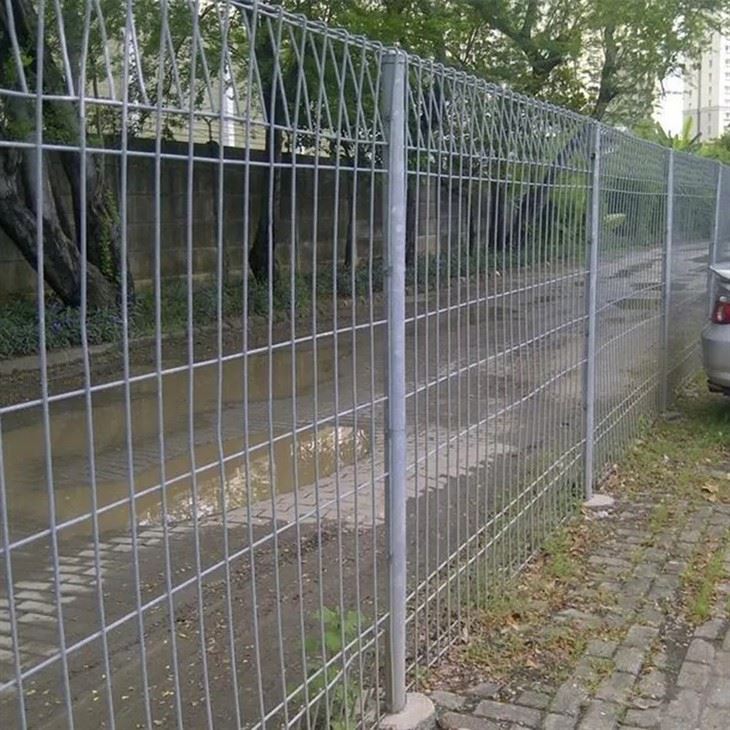
For applications that require a more rigid and durable wire mesh, our Galvanized Steel Wire Welded Wire Mesh is an excellent option. It is made by welding individual steel wires together at the intersections, creating a strong and stable mesh structure. This type of wire mesh is commonly used in offset printing and other high-volume printing applications.
In addition, we also offer BRC Fence, which can be used in security printing and other applications where a high level of security is required. Our BRC Fence is made of high-quality steel wire and is designed to be difficult to cut or penetrate, providing an effective deterrent against unauthorized access.
Conclusion
In conclusion, wire mesh is a versatile and essential material in the printing industry. Its applications range from screen printing and offset printing to 3D printing and security printing, and it plays a crucial role in ensuring the quality and integrity of printed products. As a wire mesh supplier, we are committed to providing our customers with high-quality wire mesh products that meet their specific needs and requirements.
If you are in the printing industry and are looking for a reliable wire mesh supplier, we would be delighted to hear from you. Please feel free to contact us to discuss your requirements and to learn more about our products and services. We look forward to the opportunity to work with you and to help you achieve your printing goals.
References
- "Screen Printing Technology Handbook" by John Smith
- "Offset Printing Principles and Practice" by Jane Doe
- "3D Printing: The Future of Manufacturing" by Tom Brown