

Hey there! As a supplier of Galvanized Mesh Cloth, I often get asked about the environmental impact of its production. It's a hot topic these days, and rightfully so. So, let's dive into it and see what's what.
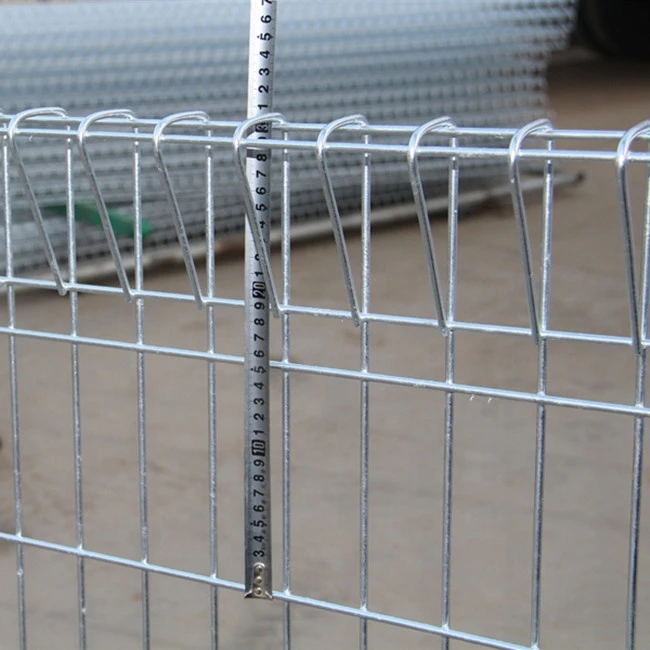
First off, let's understand what Galvanized Mesh Cloth is. It's a type of wire mesh that's coated with zinc through a process called galvanization. This coating protects the steel or iron mesh from rust and corrosion, making it super durable and long - lasting. You can find it in a ton of applications, like BRC Fence, Barbed Wire(Galvanized Or PVC Coating), and Galvanized Farm Gard Fence.
The Production Process and Its Environmental Impact
The production of Galvanized Mesh Cloth involves a few key steps, each with its own environmental implications.
1. Raw Material Extraction
The base materials for Galvanized Mesh Cloth are usually steel or iron, and zinc. Mining these raw materials is a big deal for the environment. Steel and iron come from iron ore mines, and the extraction process can cause a lot of damage. It often leads to deforestation as large areas of land are cleared to access the ore. This not only destroys habitats for countless plants and animals but also disrupts the local ecosystem.
Moreover, mining operations use a ton of water, and they often discharge waste water that's full of heavy metals and other pollutants into nearby water bodies. This can contaminate drinking water sources and harm aquatic life.
Zinc mining also has its own set of problems. It can cause soil erosion, and the waste generated from zinc mines can leach heavy metals into the soil, making it unfit for agriculture.
2. Manufacturing the Mesh
Once the raw materials are extracted, they're used to make the wire mesh. This involves processes like wire drawing, where the steel or iron is pulled through a series of dies to reduce its diameter. This process requires a lot of energy, usually in the form of electricity. Most of the world's electricity still comes from fossil fuels, like coal and natural gas. Burning these fuels releases greenhouse gases, such as carbon dioxide, into the atmosphere, contributing to global warming.
3. Galvanization
Galvanization is the process of coating the wire mesh with zinc to protect it from corrosion. There are two main methods: hot - dip galvanizing and electro - galvanizing.
Hot - dip galvanizing involves dipping the mesh into a bath of molten zinc. This process requires a large amount of energy to heat the zinc to its melting point. And let's not forget about the emissions from the furnaces used to heat the zinc. These emissions can contain sulfur dioxide, particulate matter, and other pollutants that are harmful to human health and the environment.
Electro - galvanizing, on the other hand, uses an electric current to deposit a thin layer of zinc onto the mesh. While it uses less zinc than hot - dip galvanizing, it also requires a significant amount of electricity, which again, often comes from fossil fuels.
Positive Aspects of Galvanized Mesh Cloth Production
It's not all bad news, though. There are some positive aspects to the production of Galvanized Mesh Cloth.

1. Durability
One of the biggest advantages of Galvanized Mesh Cloth is its durability. Because it's coated with zinc, it can last for a long time without rusting or corroding. This means that products made from Galvanized Mesh Cloth, like fences, don't need to be replaced as often. In the long run, this can actually reduce the demand for new raw materials, which is good for the environment. Fewer raw materials being mined means less damage to the environment from extraction activities.
2. Recyclability
Both steel and zinc are highly recyclable. At the end of its life, Galvanized Mesh Cloth can be recycled and used to make new products. Recycling these materials requires less energy than extracting and processing new raw materials. For example, recycling steel uses about 75% less energy than producing new steel from iron ore. This reduces greenhouse gas emissions and conserves natural resources.
Ways to Reduce the Environmental Impact
As a supplier, I'm always looking for ways to reduce the environmental impact of our Galvanized Mesh Cloth production. Here are some of the things we can do:
1. Use Recycled Raw Materials
Instead of relying solely on newly mined raw materials, we can increase the use of recycled steel, iron, and zinc. This not only reduces the demand for mining but also saves energy. Many recycling facilities are now able to produce high - quality recycled materials that are suitable for Galvanized Mesh Cloth production.
2. Improve Energy Efficiency
We can invest in more energy - efficient equipment for the manufacturing process. For example, using advanced furnaces in the galvanization process that consume less energy or using more efficient wire - drawing machines. Additionally, we can look into using renewable energy sources, like solar or wind power, to meet our energy needs. This would significantly reduce our greenhouse gas emissions.
3. Waste Management
Proper waste management is crucial. We can implement systems to recycle the waste generated during the production process, such as the scrap metal and zinc residues. This not only reduces waste going to landfills but also recovers valuable materials that can be reused.
The Bottom Line
The production of Galvanized Mesh Cloth does have a significant environmental impact, but there are ways to mitigate it. As a supplier, I'm committed to taking steps to make our production process more sustainable. We need to balance the demand for high - quality Galvanized Mesh Cloth with our responsibility to protect the environment.
If you're in the market for Galvanized Mesh Cloth for your BRC Fence, Barbed Wire(Galvanized Or PVC Coating), or Galvanized Farm Gard Fence, I'd love to have a chat with you. We can discuss how we're working to reduce our environmental footprint while still providing you with top - notch products.
References
- "Environmental Impacts of Metal Mining and Their Mitigation" by the United Nations Environment Programme.
- "Sustainable Manufacturing of Galvanized Products" by the International Zinc Association.
- "The Steel Industry and Its Environmental Challenges" by the World Steel Association.