

Stainless steel wire mesh is a versatile and widely used material in various industries, known for its durability, corrosion resistance, and strength. One of the most remarkable properties of stainless steel wire mesh is its flexibility, which allows it to be adapted to a wide range of applications. In this blog post, I'll delve into the flexibility of stainless steel wire mesh, exploring what it means, why it's important, and how it benefits different industries. As a stainless steel wire mesh supplier, I've witnessed firsthand the many ways this flexibility can be harnessed to meet diverse customer needs.
Understanding the Flexibility of Stainless Steel Wire Mesh
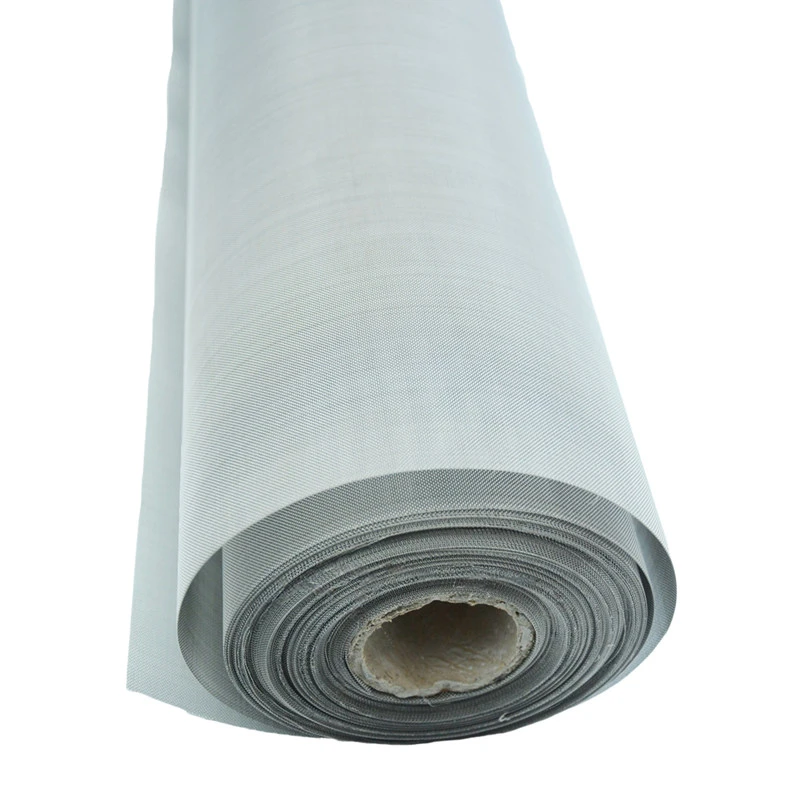
Flexibility in stainless steel wire mesh refers to its ability to bend, curve, and conform to different shapes and surfaces without breaking or losing its structural integrity. This characteristic is primarily determined by several factors, including the wire diameter, mesh size, and the type of stainless steel used. Thinner wires and larger mesh sizes generally result in a more flexible mesh, while thicker wires and smaller mesh sizes offer greater rigidity.
The type of stainless steel alloy also plays a crucial role in the mesh's flexibility. Austenitic stainless steels, such as 304 and 316, are known for their excellent formability and ductility, making them ideal for applications that require a high degree of flexibility. These alloys can be easily cold-worked, allowing the mesh to be shaped and manipulated into various configurations.

Why Flexibility Matters
The flexibility of stainless steel wire mesh offers several significant advantages, making it a preferred choice for a wide range of applications.
Customization
One of the primary benefits of flexibility is the ability to customize the mesh to fit specific requirements. Whether it's a unique shape, size, or design, the flexibility of stainless steel wire mesh allows it to be easily cut, bent, and formed to meet the exact specifications of a project. This customization capability is particularly valuable in industries such as architecture, automotive, and aerospace, where precision and tailored solutions are essential.
Installation
Flexible stainless steel wire mesh is easier to install compared to rigid materials. It can be easily draped over irregular surfaces, wrapped around objects, or fitted into tight spaces, reducing the time and effort required for installation. This makes it an ideal choice for applications such as fencing, screening, and filtration, where quick and efficient installation is crucial.
Adaptability
In dynamic environments, the ability of stainless steel wire mesh to adapt to changing conditions is essential. Its flexibility allows it to withstand vibrations, movements, and thermal expansions without compromising its performance. This makes it suitable for use in applications such as conveyor belts, machinery guards, and earthquake-resistant structures.
Applications of Flexible Stainless Steel Wire Mesh
The flexibility of stainless steel wire mesh makes it suitable for a wide range of applications across various industries. Here are some examples:
Architectural Applications
In architecture, stainless steel wire mesh is used for decorative purposes, such as facades, partitions, and ceilings. Its flexibility allows it to be shaped into intricate designs and patterns, adding a unique aesthetic appeal to buildings. Additionally, it can be used as a safety barrier or a sunshade, providing both functionality and style.
Industrial Applications
In the industrial sector, flexible stainless steel wire mesh is used for filtration, screening, and separation processes. It can be easily formed into filter cartridges, sieves, and screens, allowing for efficient removal of contaminants and particles from liquids and gases. Its corrosion resistance and durability make it suitable for use in harsh environments, such as chemical processing plants and food processing facilities.
Agricultural Applications
In agriculture, stainless steel wire mesh is used for fencing, animal enclosures, and crop protection. Its flexibility allows it to be easily installed around irregularly shaped fields and pastures, providing a secure barrier against animals and pests. Additionally, it can be used as a trellis for climbing plants, supporting their growth and development.
Home Applications
In the home, stainless steel wire mesh is used for window screens, door screens, and ventilation grilles. Its flexibility allows it to be easily cut and fitted to different window and door sizes, providing protection against insects and debris while allowing for proper airflow. It can also be used for DIY projects, such as creating custom shelves, baskets, and organizers.
Our Product Range
As a stainless steel wire mesh supplier, we offer a wide range of flexible stainless steel wire mesh products to meet the diverse needs of our customers. Our product range includes 304 Stainless Steel Wire Mesh, which is known for its excellent corrosion resistance and formability, and Stainless Steel Crimped Wire Mesh, which offers enhanced flexibility and stability. We also provide Stainless Steel Wire Mesh Window Screen, which is designed to provide effective insect protection and ventilation for homes and buildings.
Contact Us for Your Stainless Steel Wire Mesh Needs
If you're looking for high-quality, flexible stainless steel wire mesh for your project, we'd love to hear from you. Our team of experts can help you choose the right product for your specific requirements and provide you with a competitive quote. Whether you need a small quantity for a DIY project or a large order for an industrial application, we have the capabilities and expertise to meet your needs.
Contact us today to discuss your stainless steel wire mesh requirements and start the process of transforming your project with our flexible and reliable products.
References
- ASM Handbook Committee. (2004). ASM Handbook, Volume 1: Properties and Selection: Irons, Steels, and High-Performance Alloys. ASM International.
- Brandes, E. A., & Brook, G. B. (1992). Smithells Metals Reference Book. Butterworth-Heinemann.
- Degarmo, E. P., Black, J. T., & Kohser, R. A. (2003). Materials and Processes in Manufacturing. Wiley.